Introduction: My First Attempt at Making French Toast
The first time I tried making French toast, I thought it would be ridiculously easy. Bread, eggs, milk… how hard could it be? I mixed everything quickly, dipped the bread, threw it on a pan, and waited.
Well, the result was not exactly impressive.
The bread turned soggy in the middle and slightly burned on the outside. Somehow I had managed to make French toast that was both mushy and dry at the same time. I remember staring at the plate thinking, “People make this every morning… why did mine go so wrong?”
After a few more tries—and a couple more mistakes—I finally figured out the little details that make a big difference. French toast is actually simple, but the ratio of ingredients, the type of bread, and the cooking temperature matter more than most people realize.
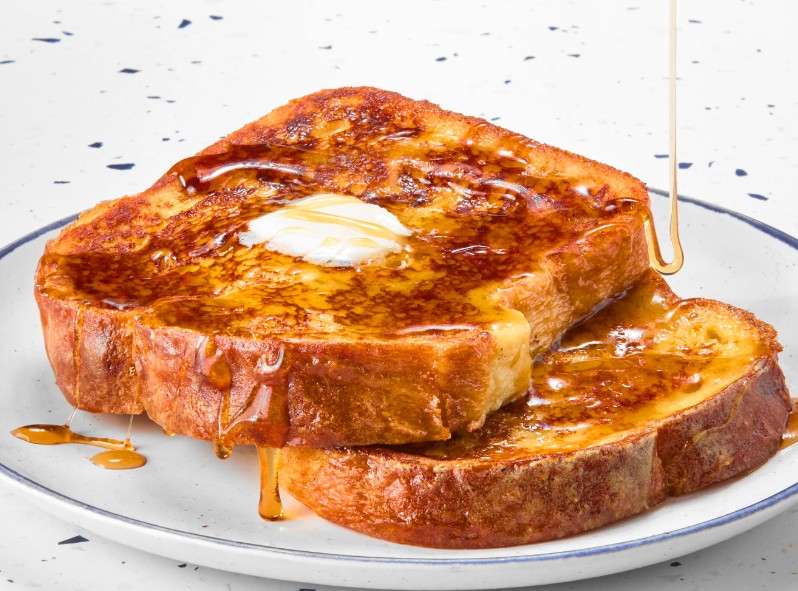
Once you get those things right, French toast becomes one of the easiest and most satisfying breakfasts you can make at home. It’s warm, slightly crispy on the outside, soft on the inside, and perfect with maple syrup or fresh fruit.
This recipe is the one I rely on now whenever I want a reliable batch of classic homemade French toast.
Ingredients for Classic French Toast
The ingredients for French toast are simple, and chances are you already have most of them in your kitchen.
Main Ingredients
Here’s what you’ll need for about 4 servings:
• 4 thick slices of bread (brioche, challah, or Texas toast works best)
• 2 large eggs
• 1/2 cup milk
• 1 teaspoon vanilla extract
• 1 teaspoon ground cinnamon
• 1 tablespoon sugar
• 1 tablespoon butter (for cooking)
Optional toppings include:
• Maple syrup
• Powdered sugar
• Fresh berries
• Sliced bananas
• Whipped cream
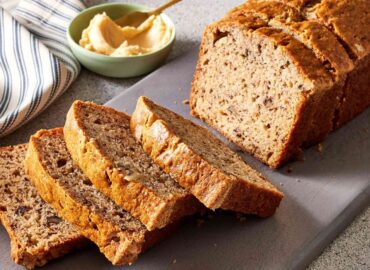
One small tip I learned early: slightly stale bread works better than fresh bread. Fresh bread can fall apart after soaking in the egg mixture.
Choosing the Best Bread for French Toast
Bread makes a huge difference in the final result.
Brioche Bread
Brioche is one of the best breads for French toast because it’s soft, buttery, and slightly sweet.
When soaked in the custard mixture, brioche absorbs flavor without becoming too soggy.
The first time I tried brioche French toast, I realized why so many restaurants use it.
Challah Bread
Challah bread is another excellent option.
It has a fluffy texture and holds up well when dipped in the egg mixture.
Plus, the slightly rich flavor pairs nicely with cinnamon and vanilla.
Texas Toast
If brioche or challah isn’t available, thick slices of Texas toast work great too.
The key idea is thickness. Thin sandwich bread tends to break apart easily.
Step-by-Step French Toast Instructions
Making French toast is quick once you know the process.
Step 1: Prepare the Egg Mixture
In a shallow bowl, whisk together:
• Eggs
• Milk
• Vanilla extract
• Cinnamon
• Sugar
Mix until everything is fully combined.
The mixture should look smooth and slightly creamy.
One mistake I made early on was not whisking enough. The cinnamon clumped together and made uneven flavor in the toast.
Step 2: Heat the Pan
Place a skillet or nonstick pan on medium heat.
Add a small amount of butter and allow it to melt.
The pan should be hot but not smoking.
If the pan gets too hot, the bread will burn before the inside cooks properly.
Step 3: Dip the Bread
Dip each slice of bread into the egg mixture.
Let it soak for about 5–10 seconds per side.
You want the bread coated, but not completely drenched.
I used to leave the bread soaking way too long. That’s how you end up with mushy French toast.
Step 4: Cook the French Toast
Place the soaked bread onto the hot skillet.
Cook for 2–3 minutes per side until golden brown.
The surface should become slightly crispy while the inside stays soft.
Flip carefully using a spatula.
Step 5: Serve Immediately
Once cooked, transfer the French toast to a plate.
Serve with your favorite toppings like maple syrup, fruit, or powdered sugar.
French toast is best enjoyed warm, right off the pan.
My Favorite French Toast Toppings
Toppings can transform simple French toast into something really special.
Classic Maple Syrup
This is the traditional option.
Warm maple syrup poured over crispy French toast is hard to beat.
Sometimes simple really is best.
Fresh Fruit
Adding fruit balances the sweetness of the dish.
Some popular choices include:
• Strawberries
• Blueberries
• Banana slices
• Raspberries
Fresh fruit also adds color, which makes the plate look more appealing.
Powdered Sugar
A light dusting of powdered sugar makes French toast look like something from a café.
It’s a small detail but it feels fancy.
Whipped Cream
Whipped cream turns French toast into more of a dessert-style breakfast.
Kids especially seem to love this version.
Tips for Making Perfect French Toast
After making French toast many times, I picked up a few tricks that consistently improve the result.
Use Thick Bread Slices
Thick slices help create the perfect texture.
They stay soft inside while forming a golden crust outside.
Thin bread often becomes soggy.
Cook on Medium Heat
High heat can burn the outside before the inside cooks.
Medium heat allows the toast to cook evenly.
It might take slightly longer, but the results are much better.
Don’t Over-Soak the Bread
Bread should absorb the custard mixture without falling apart.
A quick dip is enough.
This was one of the hardest habits for me to learn.
Popular Variations of French Toast
Once you master the basic recipe, you can try some fun variations.
Stuffed French Toast
This version includes a filling inside the bread.
Common fillings include:
• Cream cheese
• Strawberry jam
• Nutella
• Peanut butter
Simply sandwich the filling between two slices of bread before dipping them in the egg mixture.
Cinnamon Sugar French Toast
After cooking, sprinkle cinnamon sugar over the toast.
The sugar melts slightly and creates a sweet coating.
It tastes similar to churros.
Baked French Toast Casserole
Instead of cooking slices individually, you can bake everything in a casserole dish.
This method works well when cooking for a large group.
The bread soaks overnight and bakes into a soft, custardy breakfast dish.
Common French Toast Mistakes
Even simple recipes can go wrong sometimes.
Using Bread That Is Too Fresh
Fresh bread absorbs too much liquid and becomes mushy.
Slightly stale bread works much better.
Cooking at Too High Temperature
High heat burns the surface quickly.
Medium heat gives the toast time to cook through properly.
Skipping Butter in the Pan
Butter helps create that golden, slightly crispy surface.
Without it, the toast may stick to the pan.
Final Thoughts: Why French Toast Is Always a Good Idea
French toast is one of those breakfasts that feels comforting and special, even though it’s made with simple ingredients.
There’s something satisfying about turning basic bread, eggs, and milk into a warm plate of golden toast.
And once you learn the small techniques—like choosing the right bread and controlling the heat—it becomes almost impossible to mess up.
I still remember those early soggy attempts, but honestly that’s part of learning any recipe. A few mistakes along the way eventually lead to something better.
Now whenever I make French toast, the kitchen fills with the smell of butter, cinnamon, and vanilla. And that alone makes the whole process worth it.